Where to Wash King Size Comforters in Wayne, MI
August 17, 2026
Laundry Hacks That Actually Work (And Ones That Don’t)
September 5, 2026
Have you ever opened the washing machine expecting a load of bright, clean white clothes, only to discover that your whites have mysteriously turned pink? Don’t panic. If a red, burgundy, pink, or brightly colored garment accidentally made its way into your white laundry, there is a good chance you can restore your clothes.
The good news is that a pink laundry load does not necessarily mean your clothes are ruined.
Whether you’re doing laundry at home or using a laundromat such as Tubs and Tumblers in Wayne, MI, knowing what to do immediately can make a big difference.
Why Did My White Clothes Turn Pink?
The most common reason white clothes turn pink is that a colored garment released excess dye during the wash cycle.
Red clothing is one of the biggest culprits, but other colors can also cause dye transfer. Dark blue, purple, black, green, and brightly colored garments may bleed onto white or light-colored laundry.
New clothing can be especially problematic because some garments may release excess dye during their first few washes. Washing new brightly colored garments separately or with similar colors can help reduce the risk of transferring dye to your whites.
Dye transfer can happen when:
- A red shirt is accidentally washed with whites.
- A new pair of jeans is washed with light-colored clothing.
- A brightly colored towel gets mixed into a load of white towels.
- A red sock gets overlooked during sorting.
- A dark garment releases dye during a warm or hot wash.
- A load is left sitting wet for an extended period.
The key is to act before putting the affected clothing in the dryer.
Don’t Put Pink Whites in the Dryer Yet
If you discover that your white laundry has turned pink, resist the temptation to simply dry everything and hope the color disappears.
Heat can make stains and transferred dyes more difficult to remove. Instead, remove the affected clothing from the washer and inspect each item.
If the laundry is still wet, you have an opportunity to treat the dye transfer before drying it.
Separate the pink items from any clothing that did not pick up dye and identify the garment that caused the problem if possible.
Step 1: Find the Color-Bleeding Culprit
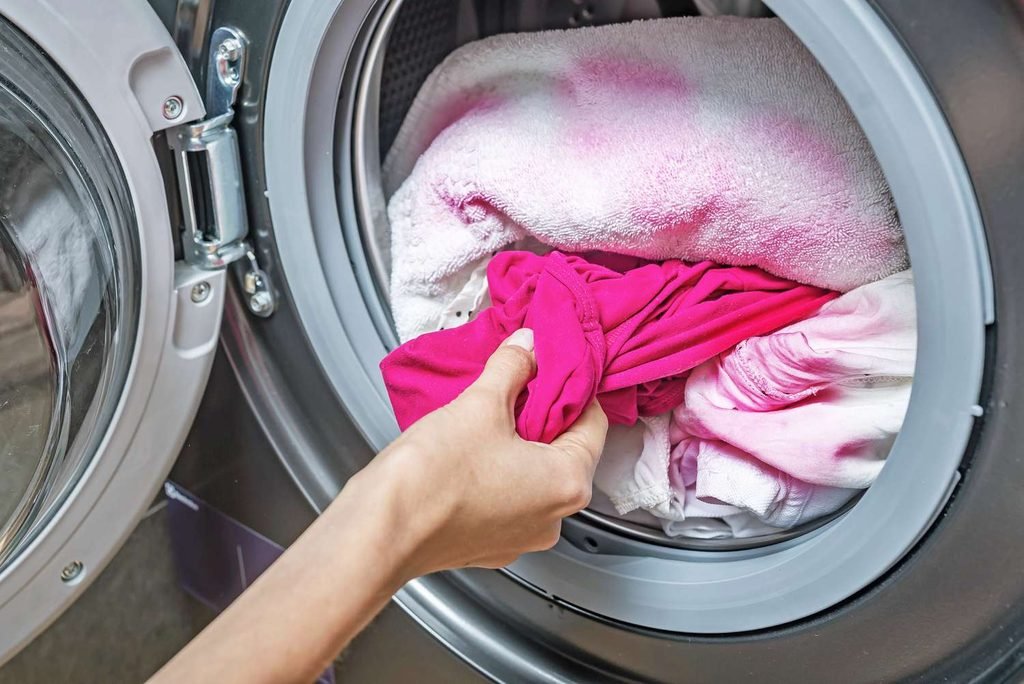
Look through the load for a red, pink, purple, blue, or other brightly colored garment.
If you find the culprit, remove it from the white laundry.
You may also want to check the garment’s care label. Some garments are specifically designed to require cold washing or special treatment.
Once you have removed the colored garment, keep the affected whites together so you can treat them.
Step 2: Check the Care Labels
Before reaching for bleach, read the care labels on your white clothing.
Not every white garment should be treated with chlorine bleach.
According to Clorox, wool, silk, mohair, leather, and spandex should not be treated with chlorine bleach.
This is especially important because many modern garments contain a small amount of stretch material such as spandex or elastane.
Look for instructions indicating whether the garment can be bleached.
If you’re unsure, choose a bleach-free color-safe stain remover or dye-transfer remover and follow the product’s directions.
Step 3: Try a Color-Safe or Oxygen-Based Treatment
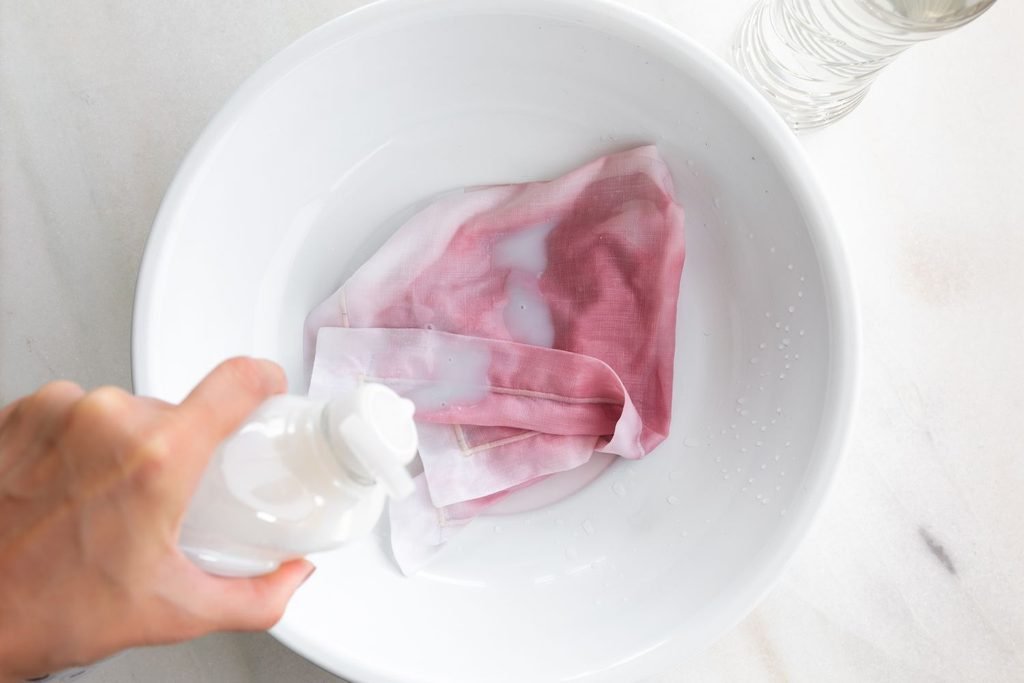
For many washable fabrics, a bleach-free or oxygen-based laundry treatment can be a good first option.
These products are designed to help remove stains while being gentler on fabrics than traditional chlorine bleach.
Follow the instructions on the specific product you are using. Some dye-transfer treatments involve soaking the garment in a solution before washing.
For example, Tide recommends creating a soaking solution using its bleach-alternative detergent, allowing the garment to soak for up to five minutes, and then washing it using the hottest temperature permitted by the garment’s care label.
Always follow the instructions printed on your product rather than assuming all stain removers should be mixed or used in the same way.
Step 4: Consider Chlorine Bleach — Only When Appropriate
If your white garments are made from bleach-safe materials, chlorine bleach may be an option for removing significant dye transfer.
However, bleach should be used carefully.
Clorox recommends checking garment care labels and, when appropriate, testing bleachability before treating an item. Their guidance for bleach-safe white fabrics uses a diluted bleach solution and limits the soaking time to five minutes.
Never assume that because a garment is white, it is automatically safe for chlorine bleach.
For example, a white athletic shirt containing spandex may look like a perfect candidate for bleach but can be damaged by it.
When in doubt, don’t bleach.
A color-safe dye remover or professional laundry service may be a better option.
Step 5: Rinse and Rewash
After treating the pink discoloration, rinse the garment thoroughly according to the product directions.
Then wash the affected whites again.
Use the warmest water temperature permitted by the garment care label. Some dye-removal products recommend warm water, while others may have different instructions.
The important thing is to follow the directions for the product and the clothing.
If the pink color remains, don’t immediately give up.
Some dye transfer requires more than one treatment.
Step 6: Don’t Dry Until You’re Happy With the Result
This is one of the most important laundry tips to remember:
Don’t put the clothing in the dryer until the pink discoloration is gone or significantly improved.
Inspect the garments after washing.
If the pink tint is still visible, repeat an appropriate treatment rather than drying the clothing immediately.
Clorox specifically recommends repeating a treatment when necessary rather than simply increasing the strength of a bleach solution or extending the recommended soaking time.
Following product directions can help minimize the chance of damaging your clothes.
What If Your White Clothes Still Look Pink?
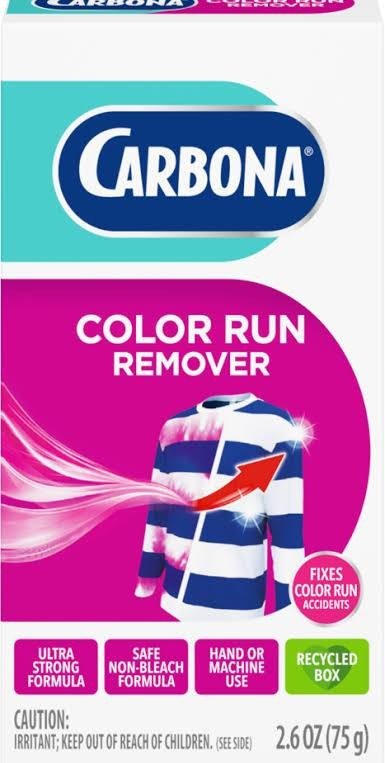
Sometimes dye transfer is stubborn.
If you’ve treated the clothing according to its care label and the pink color remains, consider a commercial dye-transfer remover.
These products are specifically designed for situations where unwanted dye has transferred from one garmet to another.
Another option is to take the laundry to a professional laundry service.
For residents in Wayne, MI, Tubs & Tumblers Coin Laundry and Drop-Off Service provides self-service laundry as well as staffed wash, dry and fold services.
If you have a large amount of laundry that needs special attention, professional laundry equipment can also make handling bulky loads much easier.
How Tubs and Tumblers Can Help With Your Laundry
Laundry mistakes happen.
A single red shirt or sock can turn an entire load of white clothing pink in one cycle.
If you’re in Wayne, MI, and don’t want to spend your day trying to rescue a large load of laundry, Tubs and Tumblers can be a convenient local laundry option.
Tubs and Tumblers offers self-service laundry along with drop-off wash, dry and fold services. The laundromat is located in Wayne and serves customers from surrounding communities, including:
- Wayne
- Canton
- Westland
- Romulus
- Belleville
- Van Buren Township
For families dealing with large loads of towels, bedding, uniforms, clothing, or other washable items, having access to larger-capacity laundry equipment can make laundry day easier.
If your whites have turned pink, don’t immediately throw them away. Depending on the fabric and type of dye transfer, there may be several ways to improve their appearance.
How to Prevent White Clothes From Turning Pink
Of course, the best way to deal with pink whites is to prevent the problem in the first place.
1. Separate Whites From Colors

Keep your white laundry separate from colored clothing.
A simple sorting system can include:
- Whites
- Light colors
- Dark colors
- Bright colors
Tide recommends keeping plain white clothing separate because whites are particularly vulnerable to receiving transferred color from other garments.
2. Be Careful With New Red Clothing
New red clothing can be a potential dye-transfer risk.
For the first few washes, consider washing new red garments separately or with similar dark colors.
3. Check Your Pockets
Before washing, check pockets for items that could cause problems.
Pens, cosmetics, tissues, and other objects can create an entirely different laundry disaster.
4. Don’t Overload the Washer
Overloading can make it harder for water and detergent to circulate properly.
Give your clothes enough room to move through the wash cycle.
5. Read Laundry Care Labels
Care labels tell you important information about:
- Water temperature
- Washing cycles
- Drying temperatures
- Bleach use
- Fabric care
Taking a few seconds to read the label can prevent expensive laundry mistakes.
A Simple Rule for Laundry Day
When it comes to protecting your whites, remember this:
White laundry should be treated like its own category.
Don’t assume that a small amount of color won’t matter. A single red sock can release enough dye to noticeably change an entire load.
If you accidentally turn your whites pink, don’t panic. Remove the offending garment, avoid drying the affected clothes, check the care labels, and choose an appropriate dye-removal treatment.
And if you have a large amount of laundry to handle, your local laundromat can help make the job easier.
For customers in Wayne and surrounding communities, Tubs and Tumblers provides a convenient place to get laundry done without relying on a small household washer and dryer.
Final Thoughts
Turning a load of whites pink can feel like a laundry disaster, but don’t give up on your clothes immediately.
The most important thing is to act quickly, avoid the dryer, check the care labels, and use the right treatment for the fabric.
With proper sorting and a little extra attention on laundry day, you can also prevent most dye-transfer accidents before they happen.
And when laundry day gets overwhelming, Tubs and Tumblers in Wayne, MI is here to make getting your laundry clean, dry, and folded easier.
Laundry Dye Transfer FAQ
Can I remove pink from white clothes?
Often, yes. Dye transfer can sometimes be removed using a color-safe stain remover, oxygen-based product, commercial dye remover, or—when the fabric is bleach-safe—a properly used chlorine bleach treatment. Always check the care label first.
Why did my white clothes turn pink?
The most common reason is dye transfer from a red, pink, purple, or other brightly colored garment. Excess dye can release into the wash water and attach to white fabrics.
Should I dry clothes that have turned pink?
It’s better to avoid drying them until you’ve attempted to remove the transferred dye. Treat and rewash the affected clothing first.
Can I use bleach to remove pink dye?
Sometimes. Chlorine bleach can work on appropriate bleach-safe white fabrics, but it should not be used on materials such as wool, silk, leather, mohair, or spandex.
Can oxygen bleach remove pink dye?
Oxygen-based or bleach-alternative products may help with dye transfer and can be a useful option when chlorine bleach isn’t appropriate. Always follow the product’s instructions and check the garment’s care label.
What if the pink color won’t come out?
Try a commercial dye-transfer remover or consider professional laundry service. Some dye transfers are more stubborn than others, particularly after the garment has been dried.
Can I wash red and white clothes together?
It’s generally best to keep red clothing away from white laundry, particularly when the red garment is new or known to bleed.
Where can I do large loads of laundry in Wayne, MI?
Tubs and Tumblers in Wayne, MI offers self-service laundry along with drop-off wash, dry and fold services. It also serves nearby communities including Canton, Westland, Romulus, Belleville, and Van Buren Township.