

Drop-Off Laundry Service: Is It Worth It?
April 23, 2026
How to Remove Tough Stains: Grease, Wine, Ink & More
May 13, 2026
When it comes to doing laundry, one of the most common questions people ask is surprisingly simple: Should I use cold water or hot water?
While it might seem like a minor detail, the temperature of your wash water can have a major impact on your clothes, your energy bill, and even the environment.
For years, hot water was considered the gold standard for getting clothes truly clean. But with advancements in detergent technology and a growing focus on sustainability, cold water washing has taken center stage. So which is better? The truth is—it depends.
In this article, we’ll break down the differences between cold and hot water washing, when to use each, and how to get the best results for your laundry routine.
Understanding the Basics: What Do “Cold” and “Hot” Really Mean?
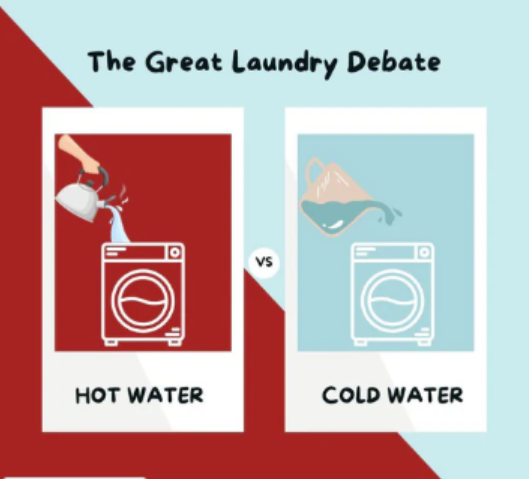
Before diving into when to use each setting, it’s helpful to understand what these temperatures actually are:
- Cold water: Typically ranges from 60°F to 80°F
- Warm water: Usually around 90°F to 110°F
- Hot water: Generally between 120°F and 140°F
Each temperature level interacts differently with detergents, fabrics, and stains.
The Case for Cold Water Washing
Cold water washing has become increasingly popular—and for good reason.
1. Protects Your Clothes
Cold water is gentler on fabrics. It helps prevent:
- Shrinking
- Fading
- Fabric breakdown
If you’ve ever pulled a favorite shirt out of the dryer only to find it smaller or duller than before, hot water might be to blame. Cold water keeps colors vibrant and fibers intact for longer.
2. Saves Energy (and Money)
Heating water accounts for a significant portion of your washing machine’s energy use—up to 90% in some cases. By switching to cold water, you can:
- Lower your utility bills
- Reduce your household’s energy consumption
Over time, those savings can really add up.
3. Better for the Environment
Using cold water reduces your carbon footprint by decreasing the energy needed to heat water. If you’re looking for an easy way to make your laundry routine more eco-friendly, this is one of the simplest changes you can make.
4. Works Well with Modern Detergents
Today’s detergents are specifically designed to work effectively in cold water. They contain enzymes that break down dirt and stains without needing high temperatures.
When Cold Water Might Not Be Enough
Cold water isn’t perfect for every situation. There are times when it simply won’t deliver the deep clean you need.
1. Heavy Stains
Grease, oil, and tough stains can be harder to remove in cold water. These substances tend to dissolve better at higher temperatures.
2. Germs and Bacteria
Cold water doesn’t sanitize clothing. If you’re dealing with:
- Illness in the household
- Gym clothes with strong odors
- Items exposed to bacteria
Cold water alone may not fully eliminate germs.
The Case for Hot Water Washing
Hot water still has an important place in your laundry routine—especially for certain types of loads.
1. Deep Cleaning Power
Hot water is more effective at:
- Breaking down oils and grease
- Removing heavy dirt
- Dissolving detergent completely
This makes it ideal for heavily soiled items like work clothes or kitchen linens.
2. Sanitization
Hot water is your best bet for killing bacteria, dust mites, and allergens. This is especially important for:
- Towels
- Bedding
- Underwear
- Cloth diapers
If hygiene is your top priority, hot water is the way to go.
3. Odor Removal
Persistent odors—like sweat or mildew—are more likely to be eliminated with hot water. Cold water may mask smells, but hot water helps remove them at the source.
When Hot Water Can Cause Problems
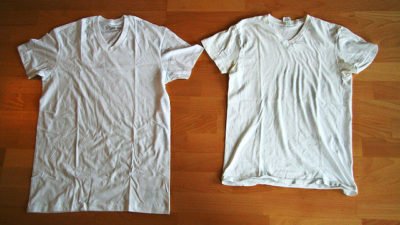
Despite its benefits, hot water comes with some downsides.
1. Shrinkage
Certain fabrics—like cotton and wool—are prone to shrinking in hot water. Once they shrink, there’s no going back.
2. Fading Colors
Hot water can cause dyes to bleed or fade, especially in darker or brightly colored clothing.
3. Higher Energy Costs
As mentioned earlier, heating water uses more energy, which means higher utility bills over time.
So… Which Should You Use?
Quick Guide by Laundry Type
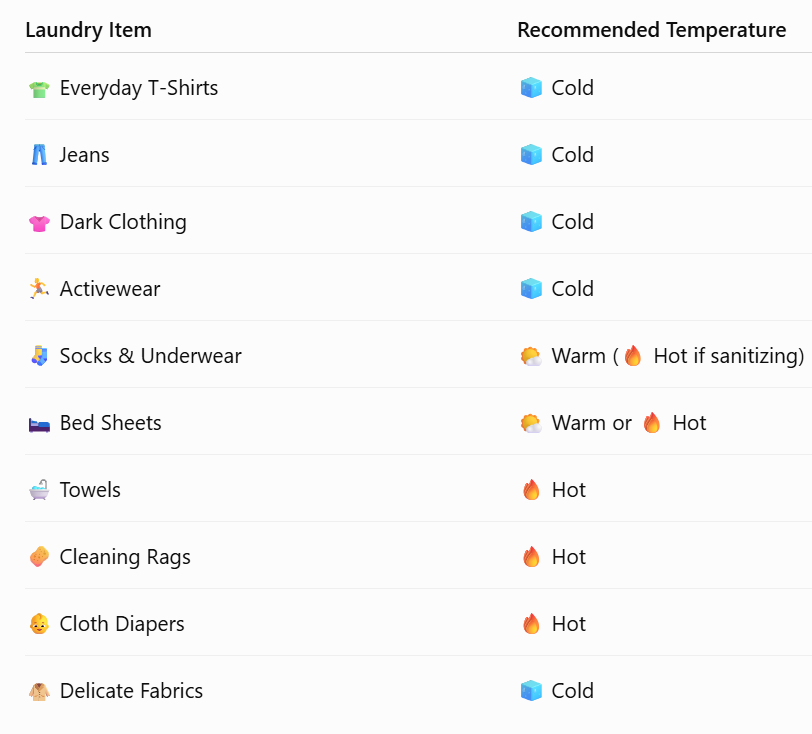
The best answer isn’t one-size-fits-all. Instead, think of water temperature as a tool—and choose the right one for the job.
Use Cold Water For:
- Dark or bright colors
- Delicate fabrics
- Lightly soiled clothes
- Everyday laundry loads
- Energy savings
Use Hot Water For:
- Whites (especially towels and sheets)
- Heavily soiled items
- Greasy or oily stains
- Sanitizing needs (illness, bacteria, allergens)
Warm Water is Used For:
- Synthetic fabrics
- Moderate soil levels
- Mixed loads when you want a balance between cleaning and protection
Fabric-Specific Guidelines
Different materials react differently to water temperatures. Here’s a quick breakdown:
Cotton
- Can handle warm or hot water
- Use cold to prevent shrinking and fading
Polyester & Synthetics
- Best washed in warm or cold water
- Hot water can damage fibers over time
Delicates (Silk, Lace, Wool)
- Always use cold water
- Hot water can ruin these fabrics quickly
Denim
- Cold water is best to preserve color and shape
Pro Tips for Better Laundry Results
No matter which temperature you choose, these tips can help you get the most out of every wash:
1. Sort Your Laundry Properly
Separate by:
- Color
- Fabric type
- Soil level
This ensures each load gets the right treatment.
2. Use the Right Detergent
Choose a detergent formulated for your preferred water temperature—especially if you’re washing in cold.
3. Don’t Overload the Machine
Clothes need space to move around for proper cleaning. Overloading reduces effectiveness, no matter the water temperature.
4. Pre-Treat Stains
For tough stains, apply a stain remover before washing—this can make cold water washing much more effective.
5. Follow Care Labels
Always check garment tags. Manufacturers provide specific instructions for a reason.
The Modern Shift Toward Cold Water
More households are switching to cold water as their default setting—and it’s not just about saving money. Advances in washing machines and detergents have made cold water a highly effective option for most loads.
In fact, many laundry experts now recommend starting with cold water first, and only switching to hot when necessary.
Final Verdict: A Smart Laundry Strategy
Instead of choosing between cold and hot water, the smartest approach is to use both strategically.
- Default to cold water for everyday loads
- Switch to hot water when you need extra cleaning power or sanitization
- Use warm water as a middle-ground when needed
By understanding when and why to use each temperature, you’ll:
- Extend the life of your clothes
- Improve cleaning results
- Save money on energy
- Reduce your environmental impact
Let Tubs and Tumblers Handle the Laundry for You
Choosing the right water temperature can make a big difference, but you don’t have to worry about getting every load just right. At Tubs and Tumblers, we use professional equipment and proven laundry practices to ensure your clothes are cleaned with the proper wash settings every time.
Whether you need wash and fold, drop-off laundry, or pickup and delivery service, we’re here to save you time while helping your clothes last longer.
Ready to skip laundry day? Contact Tubs and Tumblers today and let us do the work for you!
Frequently Asked Questions
Is it better to wash clothes in cold or hot water?
For most everyday laundry, cold water is the best choice because it protects fabrics, prevents fading, and saves energy. Hot water is best for heavily soiled items, towels, bedding, and loads that need extra sanitizing.
Does cold water clean clothes as well as hot water?
Yes. Modern detergents are formulated to work effectively in cold water, making it a great option for most clothing. Tough grease stains or heavily soiled items may still benefit from hot water.
What clothes should always be washed in cold water?
Cold water is recommended for:
Dark clothing
Bright colors
Denim
Delicate fabrics
Activewear
Synthetic materials
Clothing prone to shrinking
What should be washed in hot water?
Hot water is best for:
White towels
Bed sheets
Washcloths
Cleaning rags
Cloth diapers
Heavily soiled work clothes
Items exposed to bacteria or illness
Does hot water shrink clothes?
Yes. Hot water can cause natural fibers such as cotton and wool to shrink. Always check the care label before selecting a wash temperature.
Will cold water remove stains?
Cold water can remove many common stains, especially when paired with a quality detergent and prompt stain treatment. For oil- or grease-based stains, pre-treating the stain or using warm or hot water may produce better results.
Which water temperature saves the most money?
Cold water is the most energy-efficient option because your washing machine doesn’t need to heat the water. Over time, using cold water for most loads can help lower your utility bills.
Is warm water ever the best choice?
Yes. Warm water provides a balance between cleaning power and fabric protection. It’s a good option for lightly to moderately soiled clothes, synthetic fabrics, and mixed-color loads.
How often should towels be washed in hot water?
Bath towels should typically be washed after every three to four uses. Washing them in hot water helps remove body oils, bacteria, and odors while keeping them fresh.
Can using the wrong water temperature damage clothing?
Yes. Washing delicate fabrics in hot water can lead to shrinking, fading, stretching, or fiber damage. Following the garment’s care label and choosing the right temperature helps your clothes last longer
Join the Conversation!
How about you—do you wash most of your laundry in cold or hot water?
Everyone has their own laundry routine, and we’d love to hear yours! Do you stick with cold water to save energy and protect your clothes, or do you prefer hot water for towels, bedding, and deep cleaning?
Tell us in the comments:
- Do you wash most of your laundry in cold or hot water?
- Why do you prefer that temperature?
- Have you noticed any difference in how clean your clothes are or how long they last?
Your tips and experiences could help other readers make better laundry decisions!
If you found this article helpful, be sure to share it with friends and family who might be wondering which water temperature is best for their laundry. And if you’d rather skip laundry day altogether, Tubs and Tumblers is here to help with our convenient wash-and-fold and pickup-and-delivery services!


1 Comment
[…] you’re wondering whether to wash towels in hot or cold water, start by checking the care […]