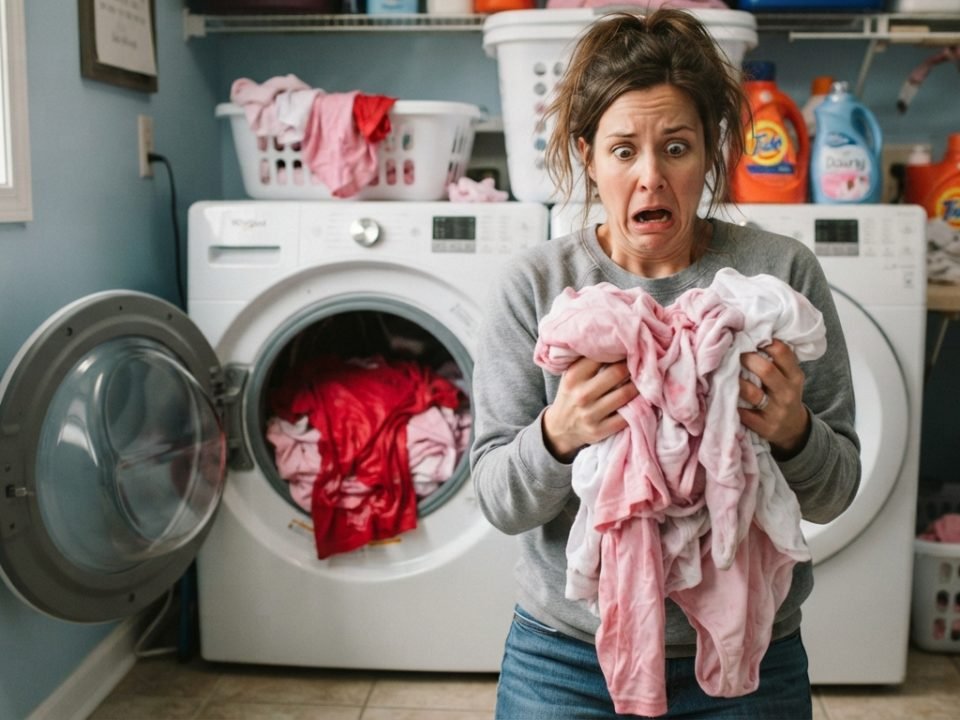
What to Do When Your Whites Turn Pink: How to Remove Dye Transfer From White Clothes
August 28, 2026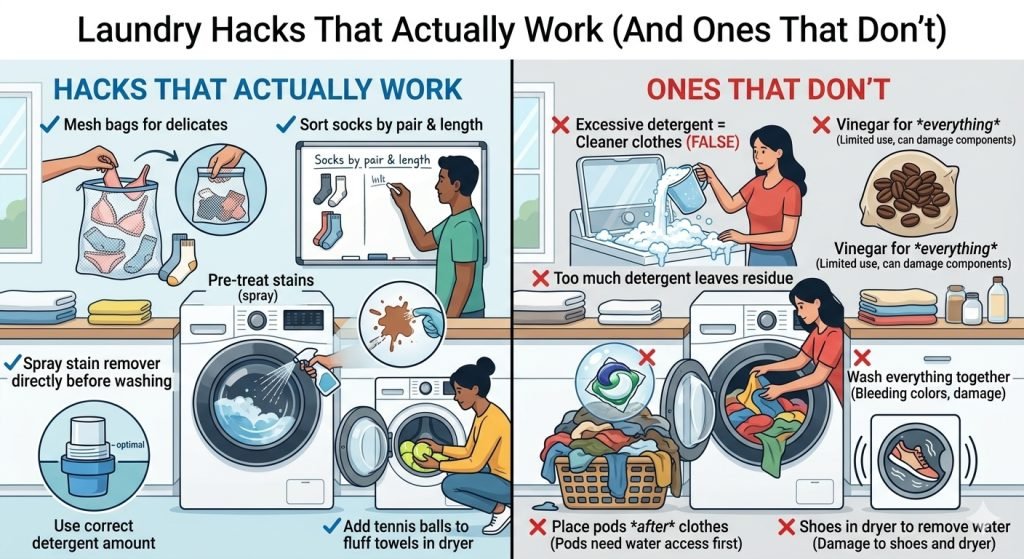
Laundry advice is everywhere. Social media is filled with shortcuts promising whiter whites, softer towels, fresher clothes, and perfectly clean laundry with almost no effort.
Some of those tricks are genuinely useful.
Others are little more than internet myths.
The good news is that you don’t need a complicated laundry routine to get better results. The most effective laundry hacks are usually based on a few fundamentals: using the correct amount of detergent, choosing the right water temperature, avoiding overloaded machines, treating stains appropriately, and drying clothes correctly.
In this guide, we’ll separate laundry hacks that actually work from popular tricks that may waste your time, damage clothing, or create problems inside your washing machine.
1. Laundry Hack That Works: Use the Right Amount of Detergent
One of the biggest laundry mistakes is surprisingly simple: using too much detergent.
It may seem logical that more detergent means cleaner clothes. In reality, excessive detergent can make rinsing more difficult and leave residue on clothing and inside the washing machine.
Whirlpool notes that too much detergent can contribute to residue, a slimy washer drum, and musty odors. The appropriate amount depends on factors such as load size, soil level, detergent concentration, washer type, and sometimes water hardness.
The better laundry hack:
Measure your detergent instead of guessing.
If you’re using a high-efficiency (HE) washer, make sure you’re using detergent formulated for HE machines and follow the detergent manufacturer’s dosage instructions.
Expert tip:
Don’t automatically fill the detergent cap to the top. Concentrated detergents can require substantially less product than older formulations.
2. Laundry Hack That Works: Wash in Cold Water
Cold-water washing isn’t just an environmentally friendly trend. It’s a practical laundry strategy for many everyday loads.
ENERGY STAR says approximately 90% of the energy used by a clothes washer goes toward heating water. It also recommends cold-water washing when appropriate.
Cold water can also be gentler on many fabrics and help reduce unnecessary fading and shrinkage.
Use cold water for:
- Everyday clothing
- Dark colors
- Many synthetic fabrics
- Delicates when the care label allows it
- Lightly soiled laundry
When warmer water may make sense:
- Certain heavily soiled loads
- Some towels and bedding
- Items where the care label specifically allows warmer temperatures
- Situations requiring specific sanitizing procedures
Always check the garment’s care label first.
3. Laundry Hack That Works: Stop Overloading the Washer
Stuffing one enormous pile of clothing into the washer may seem like a time-saver.
It can actually make your laundry less clean.
Clothes need sufficient space to move through the wash water and detergent. An overloaded drum can also make it harder for stains and dirt to be removed effectively.
Instead of asking:
“Can I fit one more shirt?”
Ask:
“Can the clothes move freely?”
That’s a much better laundry rule.
Try this:
Fill the washer according to the manufacturer’s recommended capacity rather than packing clothes tightly into the drum.
4. Laundry Hack That Works: Turn Dark Clothing Inside Out
This simple trick can help protect dark and graphic clothing from unnecessary wear.
Turning garments inside out before washing can reduce direct abrasion on the visible exterior of the fabric.
It’s especially useful for:
- Black jeans
- Graphic T-shirts
- Dark sweatshirts
- Printed clothing
- Dark athletic wear
It’s not a magic solution for preventing fading, but combined with appropriate water temperatures and detergent, it can help extend the appearance of your clothes.
5. Laundry Hack That Works: Treat Stains Before Washing
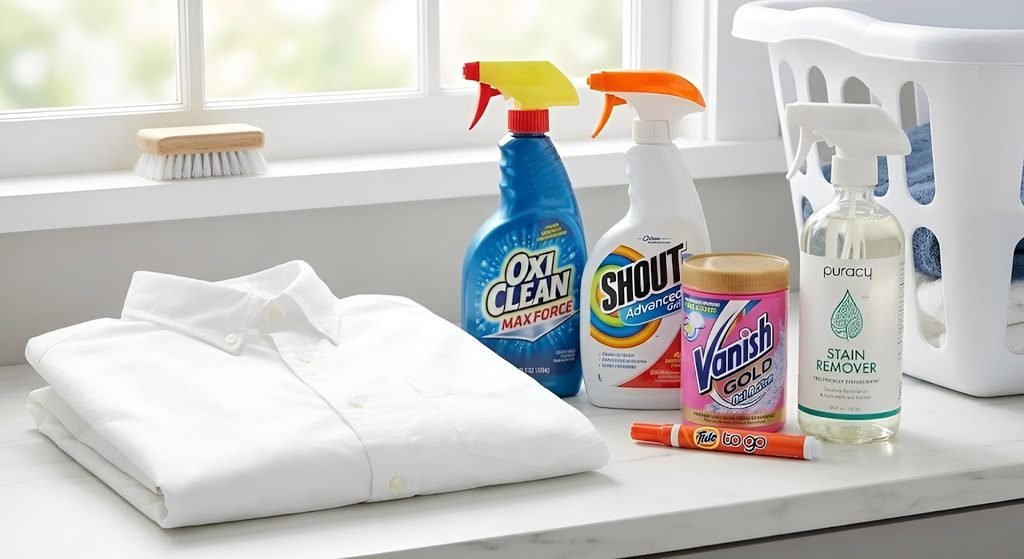
One of the worst laundry mistakes is putting a stained garment straight into a hot dryer.
Heat can make certain stains considerably harder to remove.
Instead, inspect clothing before drying.
A simple stain-removal routine:
Step 1: Identify the stain if possible.
Step 2: Check the garment’s care label.
Step 3: Pretreat using an appropriate stain remover.
Step 4: Allow the product to work according to its instructions.
Step 5: Wash according to the garment’s care instructions.
Step 6: Inspect before putting the item in the dryer.
If the stain remains, repeat the treatment rather than immediately applying high heat.
6. Laundry Hack That Works: Clean the Lint Filter Every Time
This is one of the simplest dryer hacks—and one of the easiest to overlook.
Clean the lint filter before every load.
A clogged lint filter can restrict airflow and make a dryer work harder.
ENERGY STAR recommends cleaning the lint trap before every load and notes that doing so can improve dryer efficiency. It also warns against over-drying clothes.
Bonus tip:
If your dryer has a moisture sensor, use an appropriate sensor-based cycle when available. The dryer can stop when clothes are sufficiently dry rather than continuing to heat them unnecessarily.
7. Laundry Hack That Works: Use Mesh Bags for Small or Delicate Items
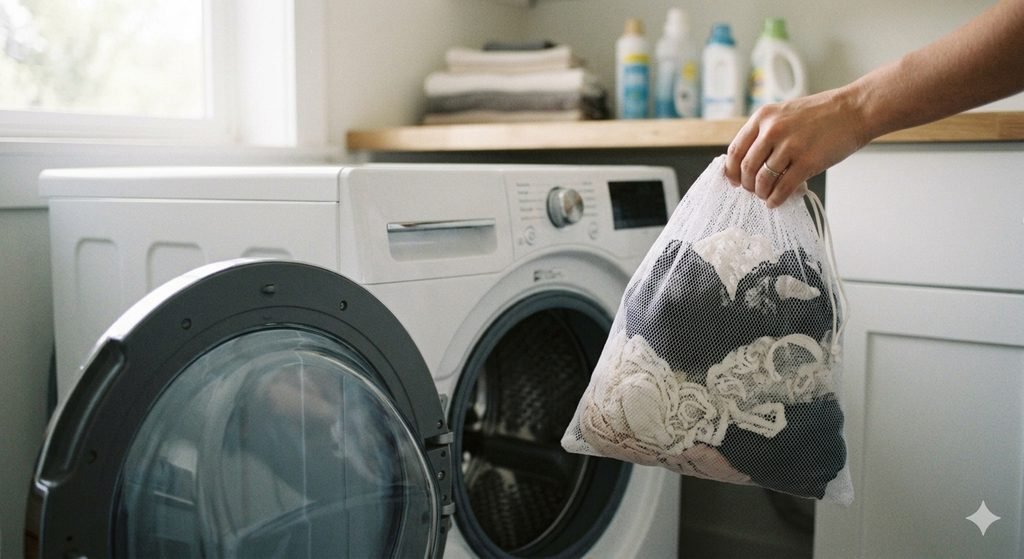
Mesh laundry bags are inexpensive and surprisingly useful.
They’re particularly helpful for:
- Bras
- Socks
- Underwear
- Delicate garments
- Small clothing accessories
They can help keep smaller items together and reduce the chance of delicate pieces becoming tangled with larger garments.
Just don’t pack the mesh bag so tightly that water and detergent can’t move through it.
Laundry Hacks That DON’T Work as Well as the Internet Claims
Now let’s look at some of the popular laundry “hacks” that deserve a little skepticism.
8. Myth: More Detergent Means Cleaner Clothes
Verdict: ❌ False
This is one of the most persistent laundry myths.
More detergent isn’t automatically better. Excess detergent can create excessive suds and leave residue behind.
Whirlpool specifically recommends measuring detergent and warns that using too much can contribute to excessive suds and poor rinsing.
Better approach: Use the amount recommended for your washer, detergent concentration, load size, and soil level.
9. Myth: Every Load Should Be Washed in Hot Water
Verdict: ❌ False
Hot water has its place, but it isn’t the universal answer to cleaner laundry.
Some fabrics can shrink, fade, or become damaged when exposed to excessive heat.
ENERGY STAR recommends cold-water washing when appropriate because heating water accounts for roughly 90% of the energy used by a clothes washer.
Better approach: Choose water temperature based on the fabric, care label, soil level, and desired cleaning result.
10. Myth: Vinegar Is a Miracle Laundry Product
Verdict: ⚠️ Overhyped
White vinegar is frequently promoted online as a universal laundry solution.
While vinegar has household uses, you shouldn’t assume that adding it to every load will automatically make clothes cleaner, softer, brighter, and fresher.
Laundry products are formulated for specific purposes, and your washer manufacturer’s instructions should take priority.
Better approach: Use detergent designed for laundry and follow the washer and garment manufacturer’s recommendations.
Also, never mix vinegar with chlorine bleach. Combining household chemicals can create dangerous fumes.
11. Myth: A Tennis Ball Will Completely Transform Your Laundry
Verdict: ⚠️ Limited
You’ve probably seen the recommendation to put tennis balls in the dryer to soften laundry or improve drying.
There are situations where dryer balls or similar products may help separate items and reduce clumping, but they’re not a magical replacement for properly sized loads and correct drying settings.
If you want to use dryer balls, use products specifically designed for laundry rather than assuming any old tennis ball is appropriate.
12. Myth: You Should Always Fill the Washer Completely
Verdict: ❌ False
There’s a major difference between washing a full load and overstuffing a washer.
ENERGY STAR recommends washing full loads when appropriate because doing so can save water and energy. However, that doesn’t mean stuffing the drum until clothes can barely move.
Think full, not packed.
Laundry Statistics Worth Knowing
Here are several numbers that put laundry habits into perspective:
🧺 About 300 loads per year
ENERGY STAR estimates that the average American family washes approximately 300 loads of laundry each year.
💧 More than 3,400 gallons
ENERGY STAR says washing full loads can save more than 3,400 gallons of water per year compared with washing smaller loads.
⚡ 90% of washer energy
Approximately 90% of the energy used by a washing machine goes toward heating water.
💦 20% less energy and 30% less water
ENERGY STAR-certified clothes washers use approximately 20% less energy and 30% less water than standard models.
These numbers show why seemingly small laundry decisions—such as washing full loads and choosing cold water—can add up over hundreds of loads.
Laundry Hacks Scorecard: What Works vs. What Doesn’t
| Laundry Hack | Does It Work? | Expert Verdict |
|---|---|---|
| Wash clothes in cold water | ✅ Yes | Excellent for many everyday loads |
| Measure your detergent | ✅ Yes | One of the most important hacks |
| Don’t overload the washer | ✅ Yes | Helps clothes clean properly |
| Turn dark clothes inside out | ✅ Yes | Can reduce visible fading and wear |
| Use a mesh bag for delicates | ✅ Yes | Protects smaller/delicate items |
| Clean your lint filter every load | ✅ Yes | Improves dryer airflow and efficiency |
| Add more detergent for extra-clean clothes | ❌ Usually not | Too much can leave residue |
| Use more detergent because the load is only “a little dirty” | ❌ No | Follow product directions |
| Wash everything in hot water | ❌ No | Can cause fading and shrinkage |
| Put aspirin in the washer to whiten clothes | ❌ Not recommended | Better products exist |
| Use vinegar with every load | ⚠️ Not universally necessary | Don’t treat it as a miracle solution |
| Put a tennis ball in the dryer | ⚠️ Sometimes useful | Limited benefits; not a substitute for proper drying |
| Overload the dryer to save time | ❌ No | Clothes need room to tumble |
The Best Laundry Hack of All? Follow the Care Label
It may not be exciting, but the little tag inside your clothing contains some of the most valuable laundry information you’ll ever have.
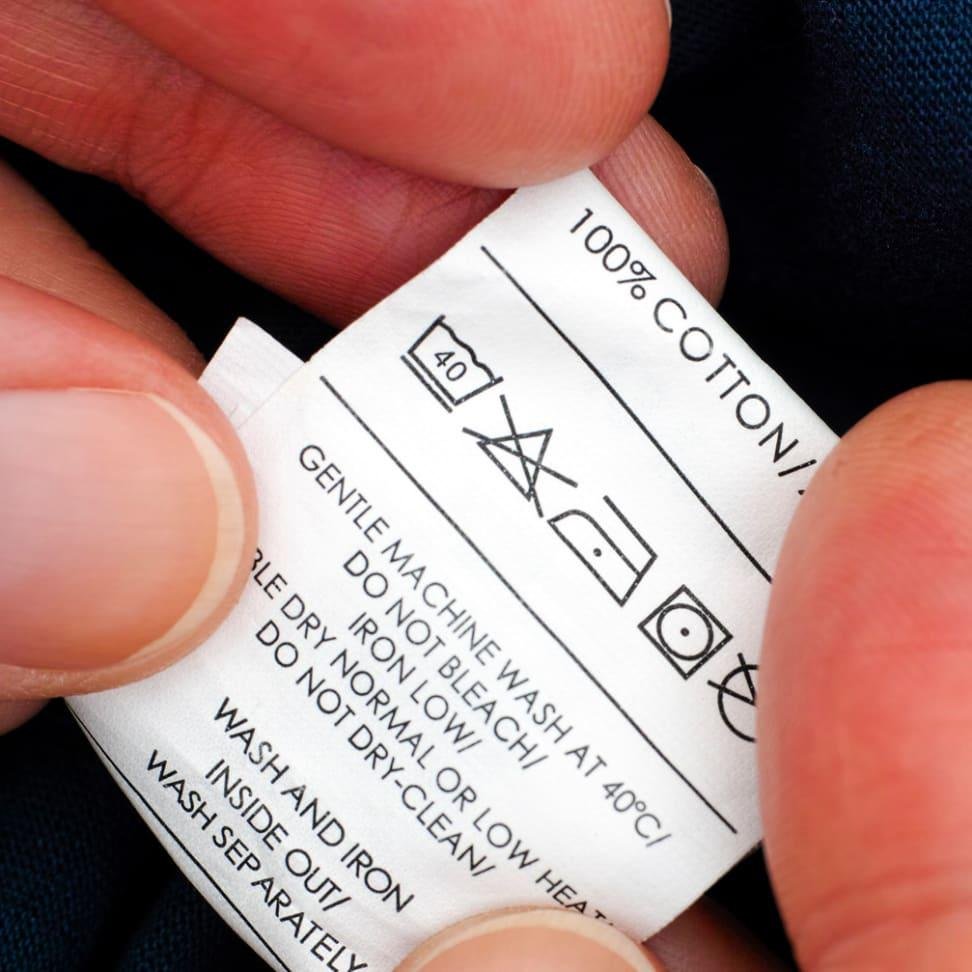
Look for instructions regarding:
- Water temperature
- Machine washing
- Hand washing
- Bleaching
- Drying
- Air drying
- Ironing
- Dry cleaning
Care symbols can look confusing at first, but learning the basics can prevent expensive laundry mistakes.
A Simple Expert Laundry Routine
If you want consistently good laundry results without spending hours researching internet hacks, follow this routine:
Before Washing
- Check pockets.
- Read care labels.
- Separate colors and fabrics when appropriate.
- Turn dark or graphic clothing inside out.
- Pretreat visible stains.
- Close zippers.
- Use mesh bags for appropriate delicate items.
During Washing
- Don’t overload the washer.
- Use the correct detergent.
- Measure detergent rather than guessing.
- Select the appropriate cycle.
- Use cold water when appropriate.
- Follow garment-care instructions.
Before Drying
- Check for remaining stains.
- Shake out garments to reduce tangling.
- Select an appropriate drying temperature.
- Don’t overload the dryer.
- Clean the lint filter.
After Drying
Fold or hang clothing promptly to minimize wrinkles and keep laundry organized
When Laundry Is Too Much, Let Someone Else Handle It
Even when you know the best laundry hacks, keeping up with laundry can still feel like a never-ending chore. Between work, school, family responsibilities, errands, and everything else on your schedule, washing, drying, folding, and putting away multiple loads can quickly take up your entire day.
That’s where Tubs and Tumblers can help.
Located in Wayne, Michigan, Tubs and Tumblers provides convenient laundry solutions for individuals, families, and local businesses. Instead of spending your valuable free time sitting in front of a washer and dryer, you can let our team take care of the laundry for you.
Convenient Wash-and-Fold Laundry Service
Our wash-and-fold service is a convenient option when you simply don’t have the time—or don’t want to spend your time—doing laundry.
You bring your laundry to Tubs and Tumblers, and our team handles the washing, drying, and folding. Your clothes come back clean, fresh, and neatly folded, ready to put away.
It’s a practical solution for:
- Busy families
- Working professionals
- College students
- Seniors
- Parents with young children
- Anyone dealing with a large backlog of laundry
Pickup and Delivery Laundry Service
Don’t have time to make a trip to the laundromat?
Tubs and Tumblers also offers pickup and delivery laundry service, making it even easier to keep up with your laundry.
Schedule your service, have your laundry ready for pickup, and let us handle the rest. Once your laundry has been washed, dried, and folded, it can be returned to you so you can get back to the things that matter most.
Our pickup and delivery service is available to customers in Wayne and surrounding communities, including Canton, Westland, Romulus, Belleville, and Van Buren Township.
Professional Laundry Without the Hassle
Sometimes the best laundry hack isn’t a new detergent, washing technique, or viral internet trick.
It’s simply getting help when you need it.
If you’re facing several baskets of laundry, preparing for a busy week, catching up after vacation, or simply tired of spending your free time doing laundry, Tubs and Tumblers can help take the workload off your shoulders.
Ready to spend less time doing laundry? Contact Tubs and Tumblers today to learn more about our wash-and-fold and pickup and delivery laundry services in Wayne, MI, and surrounding communities.
Final Verdict: Which Laundry Hacks Actually Work?
The best laundry hacks aren’t necessarily the most viral ones.
They’re the habits that consistently produce cleaner clothes while reducing unnecessary wear, detergent waste, water consumption, and energy use.
The laundry hacks worth keeping:
✅ Measure your detergent
✅ Wash appropriate loads in cold water
✅ Don’t overload the washer
✅ Pretreat stains
✅ Turn dark clothes inside out
✅ Use mesh bags for delicates
✅ Clean your lint filter every load
✅ Follow care labels
✅ Avoid over-drying clothing
The hacks to question:
❌ Using excessive detergent
❌ Washing everything in hot water
❌ Overloading the washer
❌ Treating vinegar as a miracle product
❌ Believing every viral laundry trick
❌ Assuming more heat always means cleaner clothes
The bottom line: Good laundry results come from understanding your clothing, your detergent, and your washer—not from adding more products or following every hack you see online.
Frequently Asked Questions About Laundry Hack
What is the best laundry hack for cleaner clothes?
One of the most effective is simply using the correct amount of detergent and avoiding an overloaded washer. Clothes need adequate water, detergent, and mechanical movement to clean properly.
Does cold water really clean clothes?
Yes. Modern detergents are formulated to work in cold water, and cold washing is appropriate for many everyday loads. Heavily soiled items and certain fabrics may benefit from warmer temperatures when the care label permits it.
Does using more laundry detergent make clothes cleaner?
Usually, no. Excess detergent can create residue and excessive suds. Follow the detergent manufacturer’s recommended dosage for the load size and soil level
How full should a washing machine be?
A washer should be filled enough to make efficient use of the cycle without being packed tightly. Clothes need room to move through the wash.
Should I use hot water for white clothes?
Not necessarily. Some whites and fabrics can be washed effectively in cold or warm water. Always check the care label and consider the type of fabric and level of soil.
How can I make my laundry smell fresher?
Start with the basics: don’t overload the machine, use the correct amount of detergent, remove laundry promptly after washing, and keep the washer clean according to the manufacturer’s instructions.
How often should I clean my dryer lint filter?
Before every load. ENERGY STAR specifically recommends cleaning the lint trap before each load to maintain airflow and improve drying efficiency